How Often Should a Care Home Kitchen Be Cleaned?
TR19 cleaning frequencies for care settings — and how to judge your home's interval.
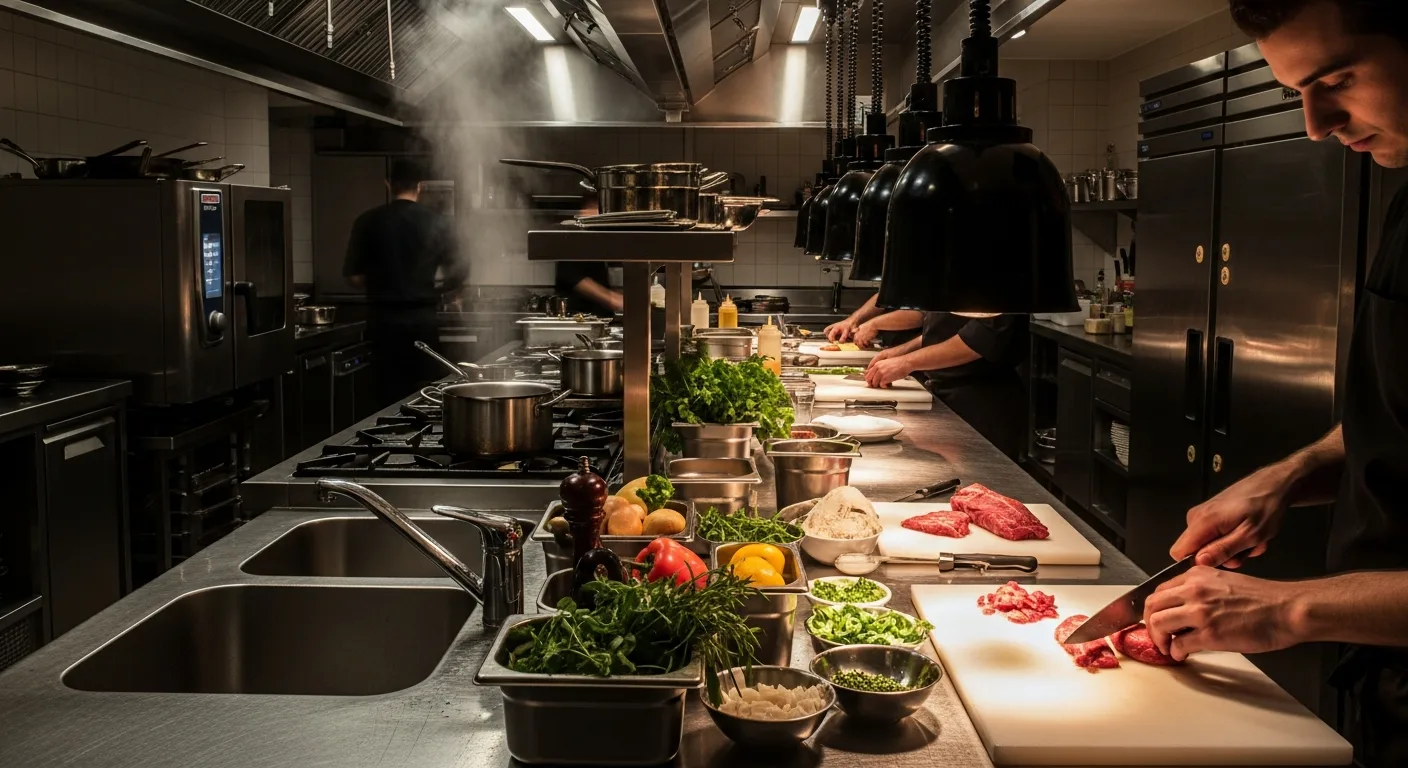
Kitchen extract cleaning frequency is set by how heavily the kitchen is used — and care home kitchens have a usage pattern all of their own. Here's how the TR19 framework applies to a Cardiff care setting.
The TR19 usage bands
- Light use (under 6 hours cooking a day) — every 12 months.
- Moderate use (6–12 hours a day) — every 6 months.
- Heavy use (12+ hours a day) — every 3 months.
Where care homes usually sit
Most care home and residential-home kitchens fall into moderate use: three meals a day, every day, but not the continuous high-volume frying of a takeaway. That points to a six-monthly full extract clean as the baseline for most homes.
Some settings move higher, though. Large nursing homes cooking specialist and texture-modified diets across extended hours can push into heavier use, and any kitchen doing a lot of frying or chargrilling builds grease faster. For these, a more frequent schedule — sometimes quarterly — is the safer call.
Why erring on the safe side matters here
In a care home, the people the system protects can't easily evacuate, and CIW expects to see fire risk actively managed. Stretching the interval to save money is a false economy — it raises fire risk and can undermine an insurance claim. When in doubt, clean more often, not less.
Let the grease readings guide you
The most reliable way to set your interval is measurement. Each clean we arrange records grease-depth readings, so over time you can see how quickly your system loads and fine-tune the schedule to your actual kitchen. Request a free quote to get started.
Frequently Asked Questions
Is six months the rule for all care homes?
It's the typical baseline for moderate-use care home kitchens. Larger nursing-home kitchens or those doing heavy cooking may need quarterly cleaning — grease-depth readings from each clean help confirm the right interval.
Does CIW specify a cleaning frequency?
CIW doesn't set a specific interval, but expects fire risk to be managed. TR19 provides the recognised frequency framework insurers and fire-risk assessors use, which is what we work to.
Get a Free Cardiff Kitchen Extract Cleaning Quote
Tell us about your kitchen and we'll arrange a tailored, no-obligation quote — usually the same day.