What a TR19 Cleaning Report Should Contain — With a Real Example
Measured grease readings, photographic evidence and a certificate that names the next clean date. Here is what good documentation looks like.

If your kitchen extract system has been cleaned recently, look at the paperwork you were given. Does it contain measurements? Photographs of the inside of the ductwork? A stated next clean date? Or does it say, in effect, "system cleaned" with a price underneath?
The difference matters enormously the day you need it. After a grease-related fire, a loss adjuster does not ask whether your kitchen looked clean. They ask for records. This guide sets out what a proper report contains, using real figures from a job carried out in West Wales in May 2026.
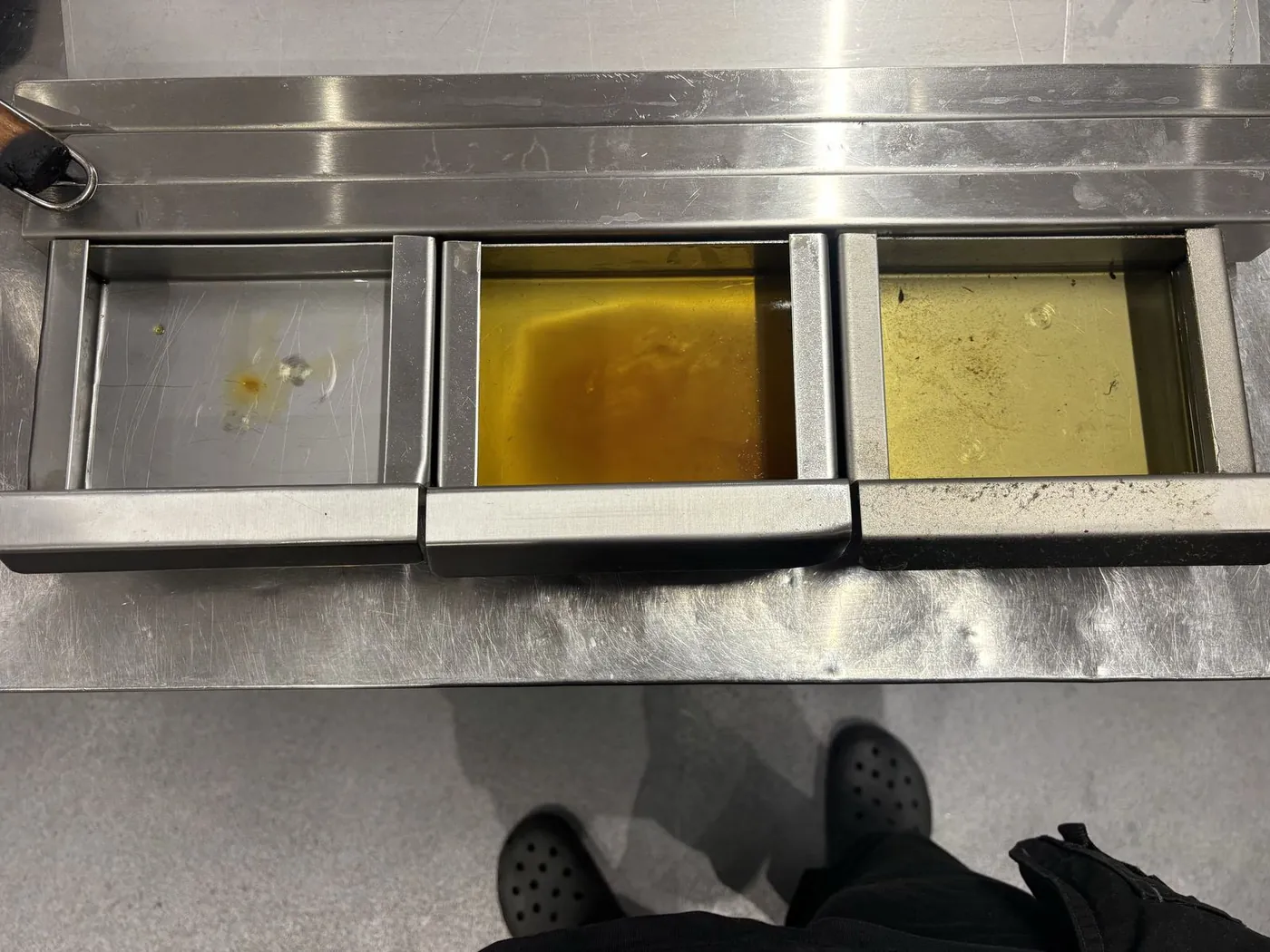
1. Grease depth readings, in microns, at multiple points
This is the single most important thing, and the most commonly missing. Grease deposit is measured by wet film thickness at defined test points through the system — before cleaning and again afterwards.
From the job referenced above:
| Test point | Pre-clean | Post-clean |
|---|---|---|
| Canopy / extract plenum | 200 microns | Under 25 microns |
| Ductwork, 1m from canopy | 200 microns | Under 25 microns |
| Ductwork, 3m from canopy | 200 microns | Under 25 microns |
| Extraction fan | 200 microns | Under 25 microns |
TR19 Grease works to a mean depth of 50 microns as the point at which a system requires cleaning. That kitchen was reading four times the trigger figure — and critically, it was reading it three metres down the duct run and at the fan, not just at the canopy where anyone can see.
A single reading at the canopy tells you almost nothing. Insist on multiple points.
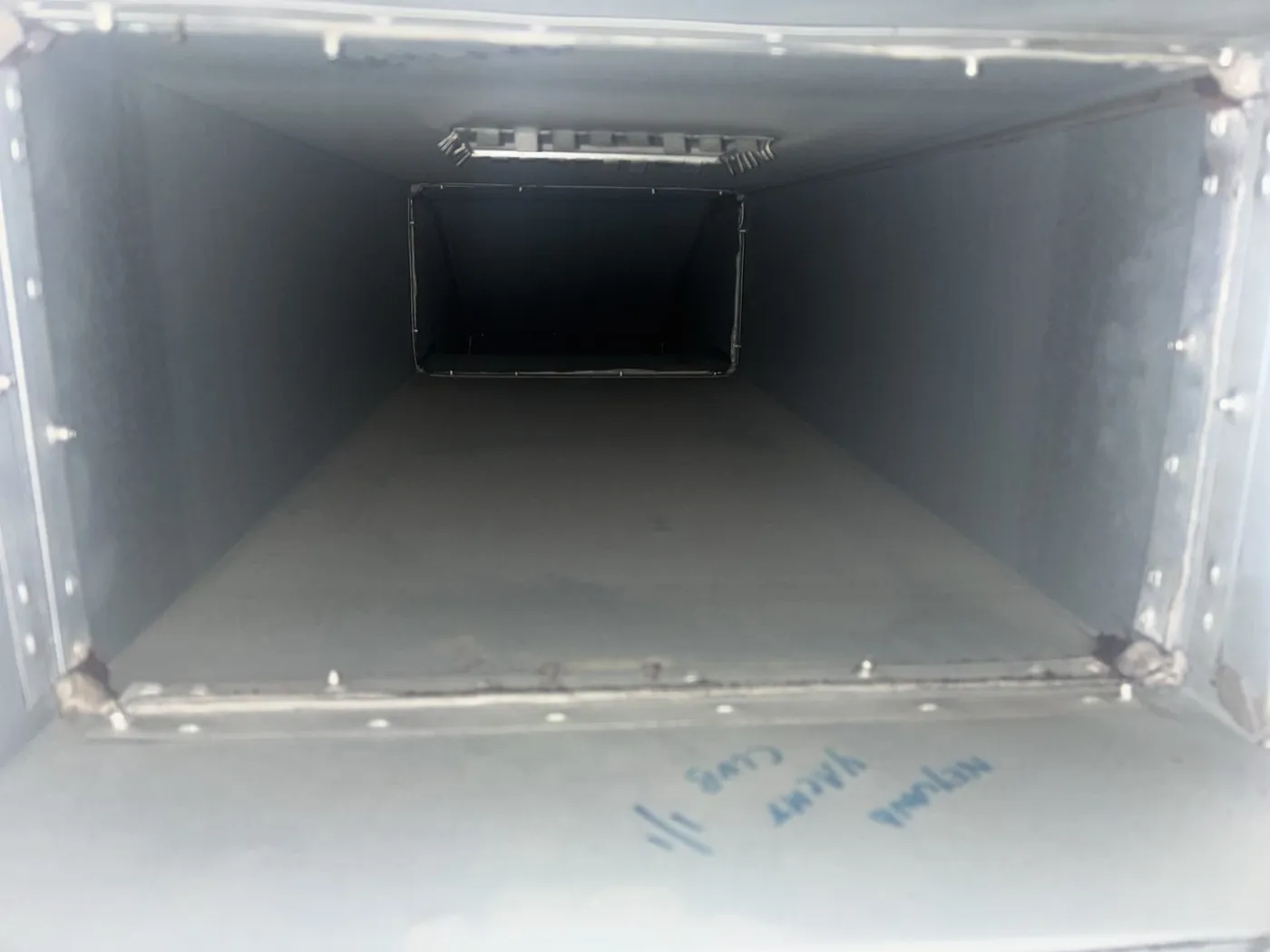
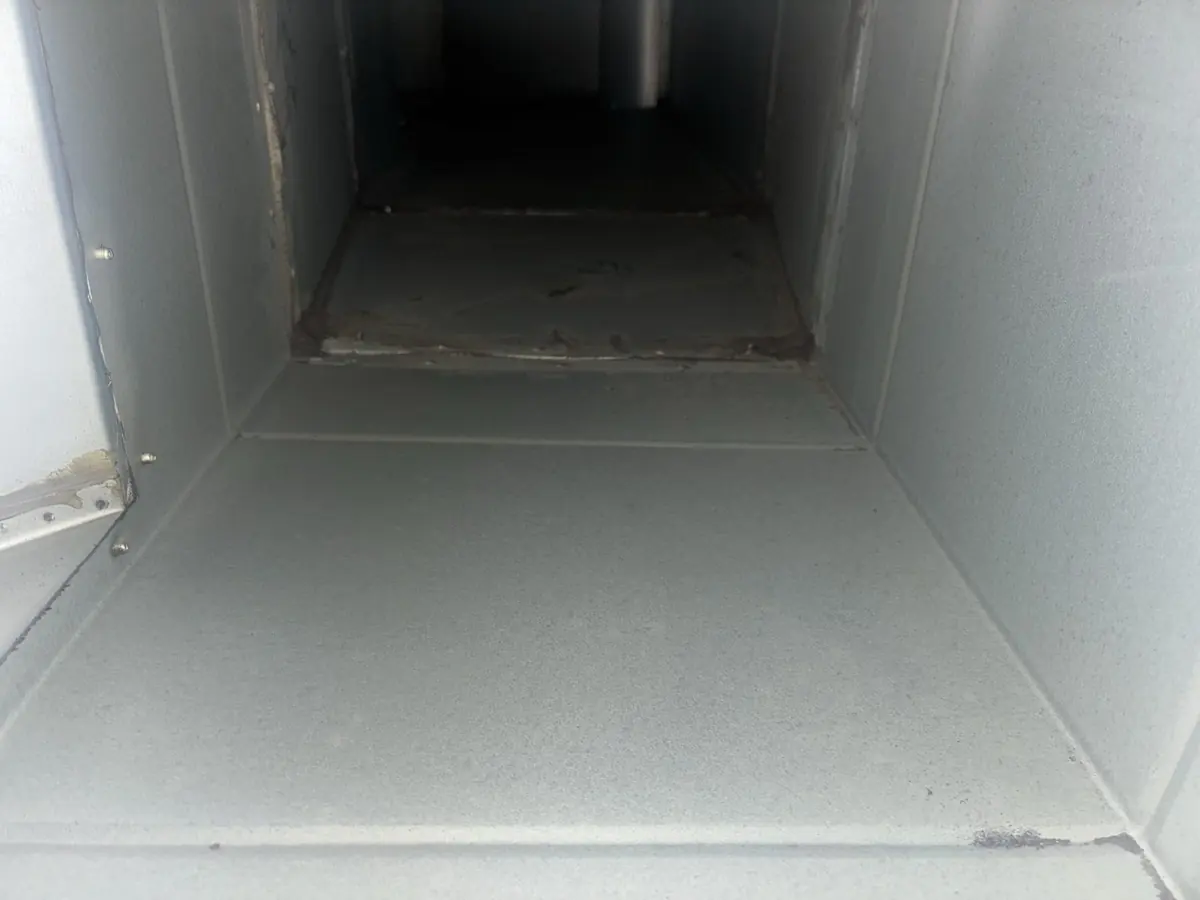
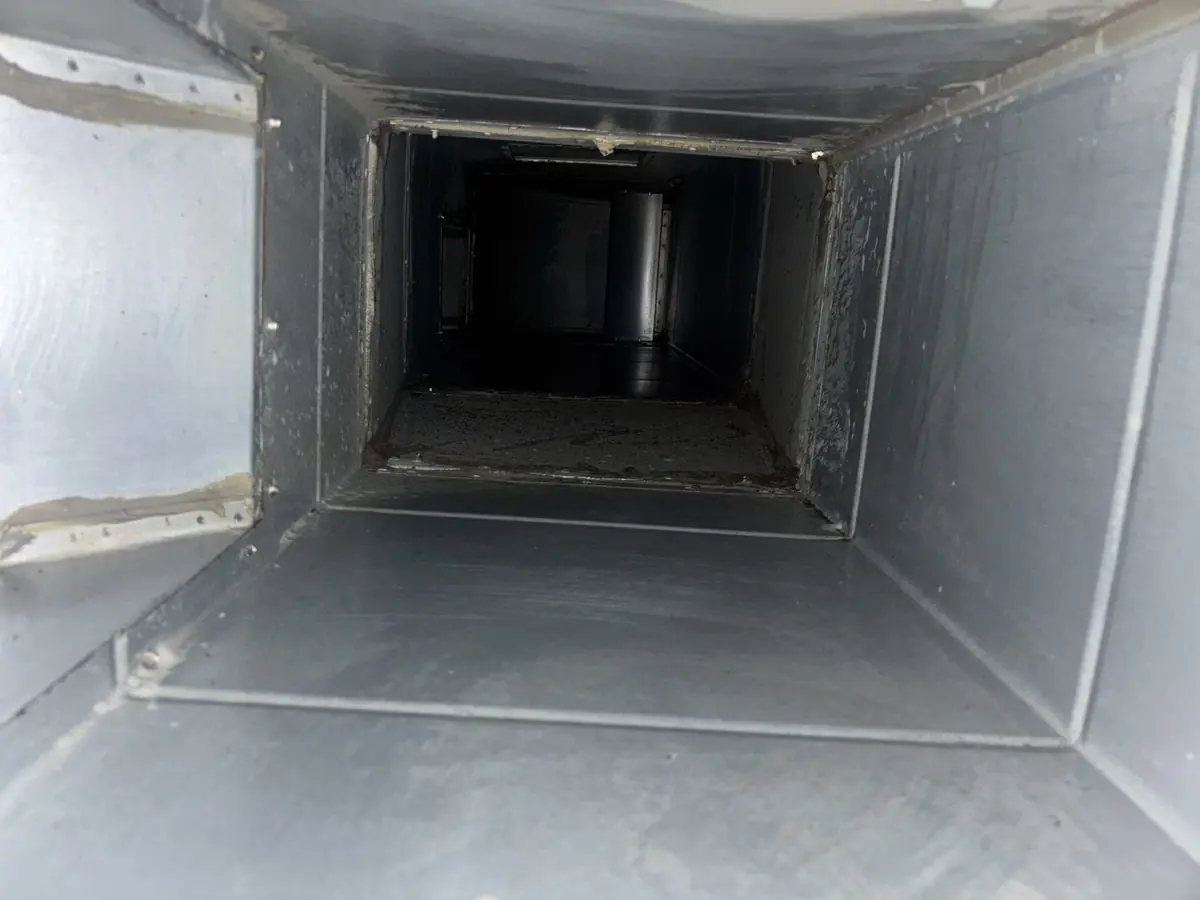
2. Photographic evidence, before and after, section by section
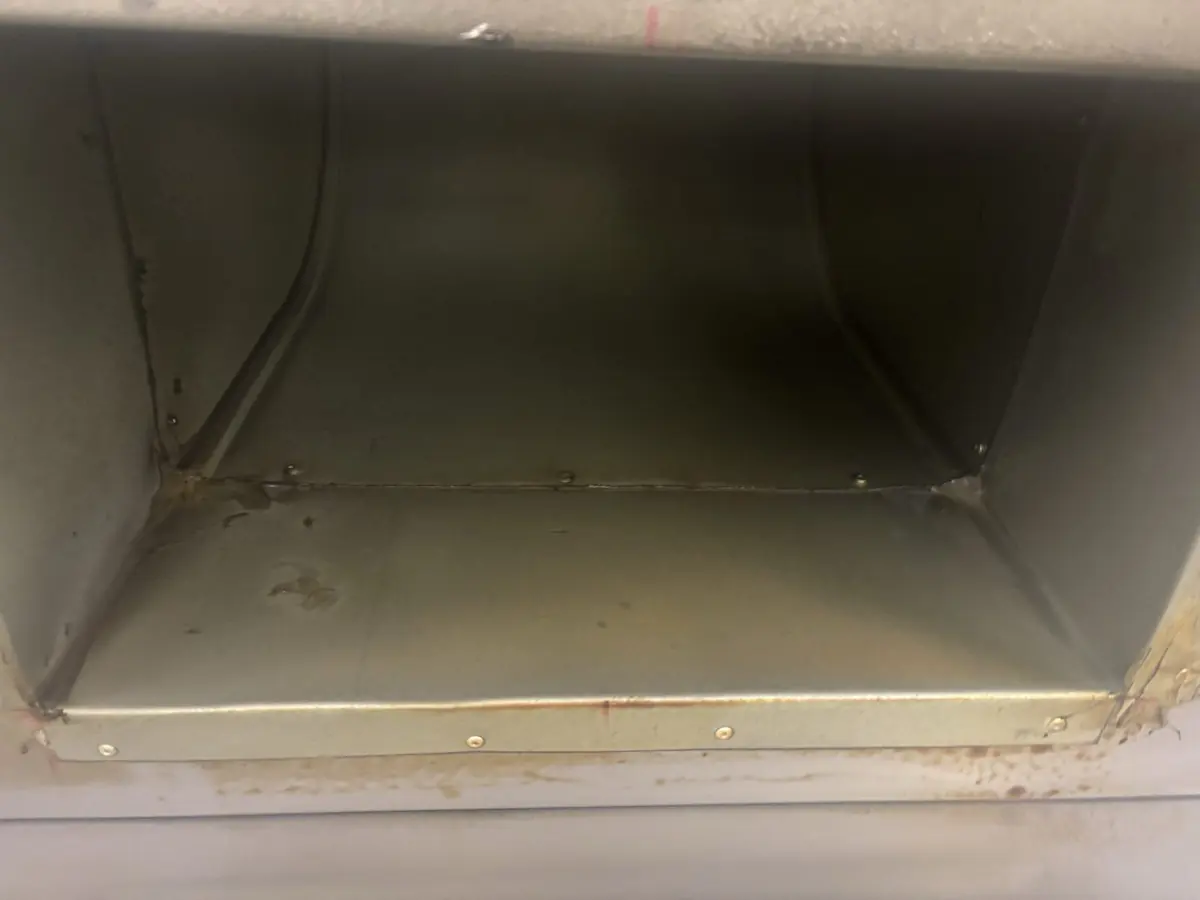
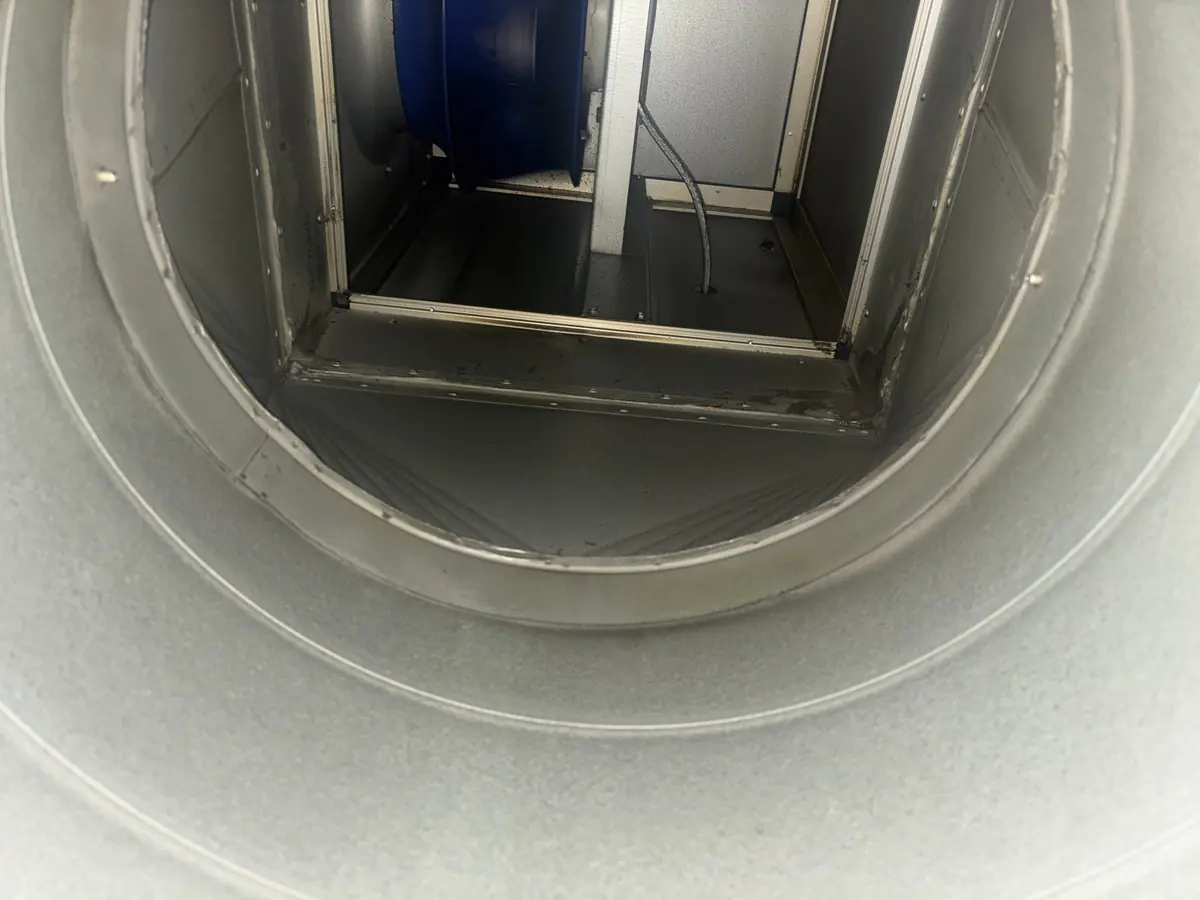
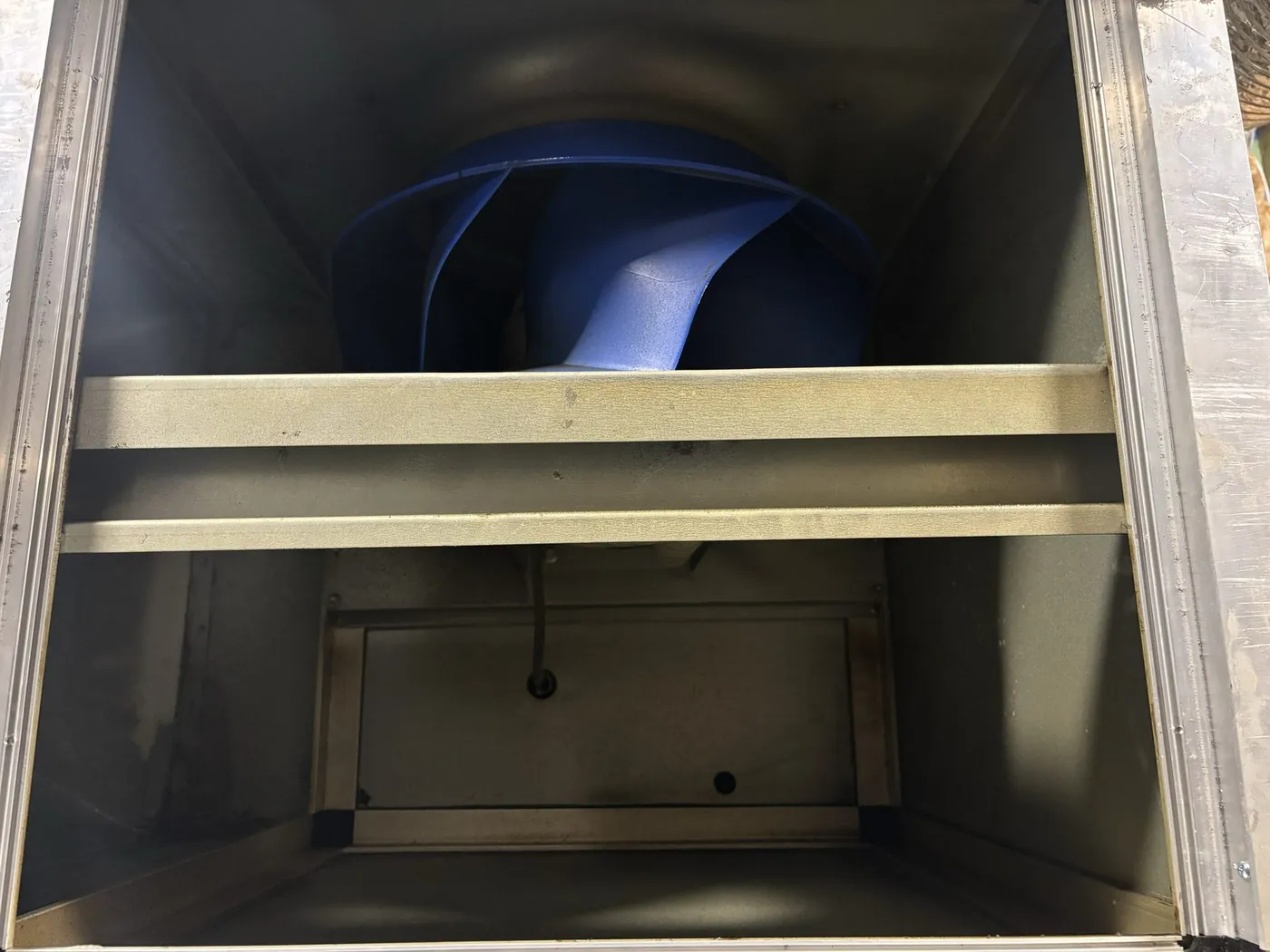
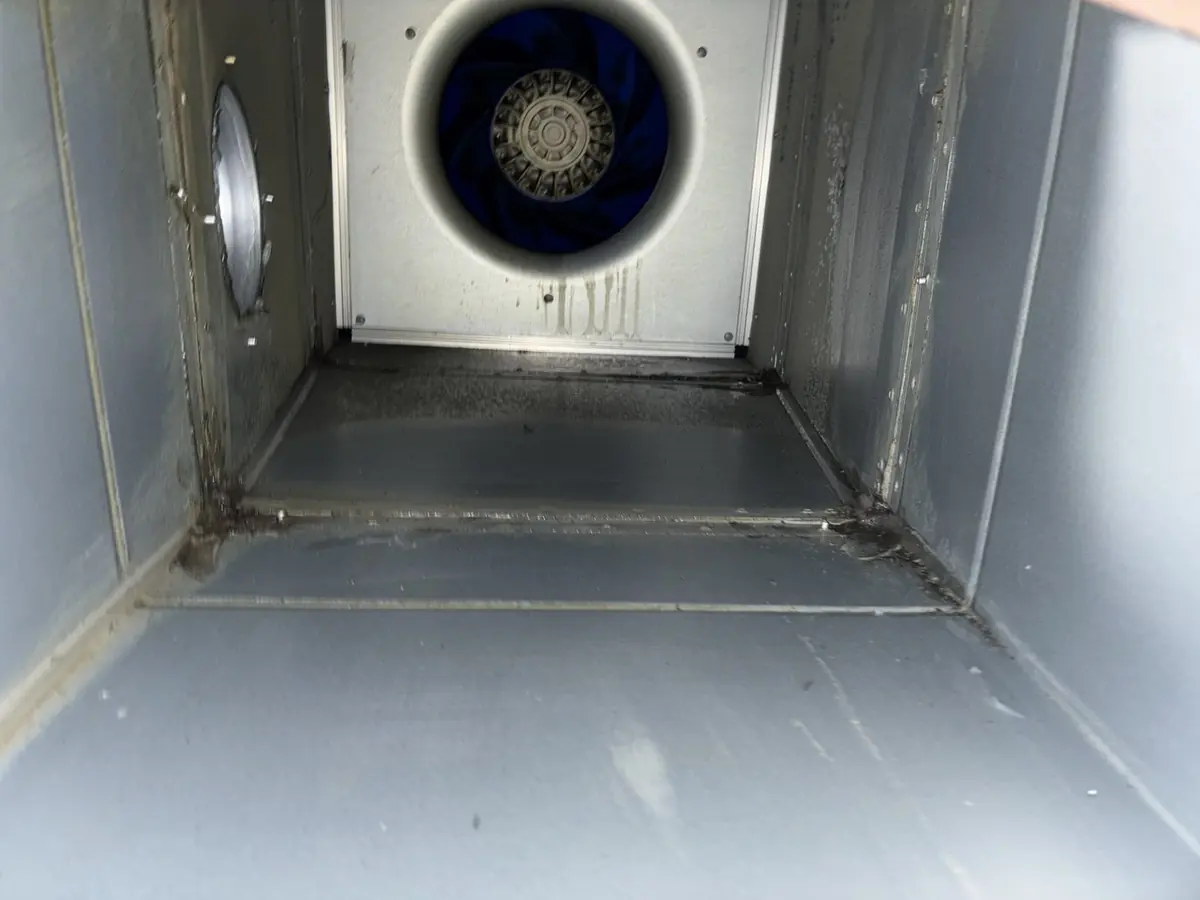
Photographs should cover the canopy, the plenum behind the filters, the ductwork at intervals along its run, and the fan. Before and after, from the same position, so the comparison is real.
This matters because the visible parts of a kitchen tell you nothing about the hidden ones. A canopy can be wiped down daily and gleam, while the horizontal duct above the ceiling carries a heavy deposit and the fan housing is coated. Photographs from inside the system are the only way to see it.
3. A written description of the system
The report should describe what the system actually consists of — for example: one extraction canopy, three spigot risers into a loft void, a square duct section, an inline fan, oval discharge ductwork, roof termination. Without this, there is no way to tell whether the whole system was covered or just the easy parts.
4. A schematic showing access
A simple drawing of the system with access points marked. This is how you check that the cleaning covered the full run rather than stopping where the access panels happened to be.
5. An honest statement of what could not be reached
No report should claim a complete clean if sections were inaccessible. A good report says plainly which parts could not be reached and what would be required to reach them — usually the installation of additional access panels.
A report that claims total coverage with no caveats, on a system with limited access, is a report that has not been read carefully by the person who wrote it.
6. A certificate with the next clean date on it
The certificate should state the site, the system location, the date of the clean, the operatives who carried it out, and the date the next clean falls due. That last item is what turns a certificate into a maintenance record — it shows a cycle, not a one-off.
Why insurers care about this
Grease is fuel. A duct run carrying a heavy deposit is a continuous combustible path from the cooking line through the building fabric to the roof. If a flare-up reaches the canopy, that is where the fire goes — inside the ceiling void, hard to reach and hard to stop.
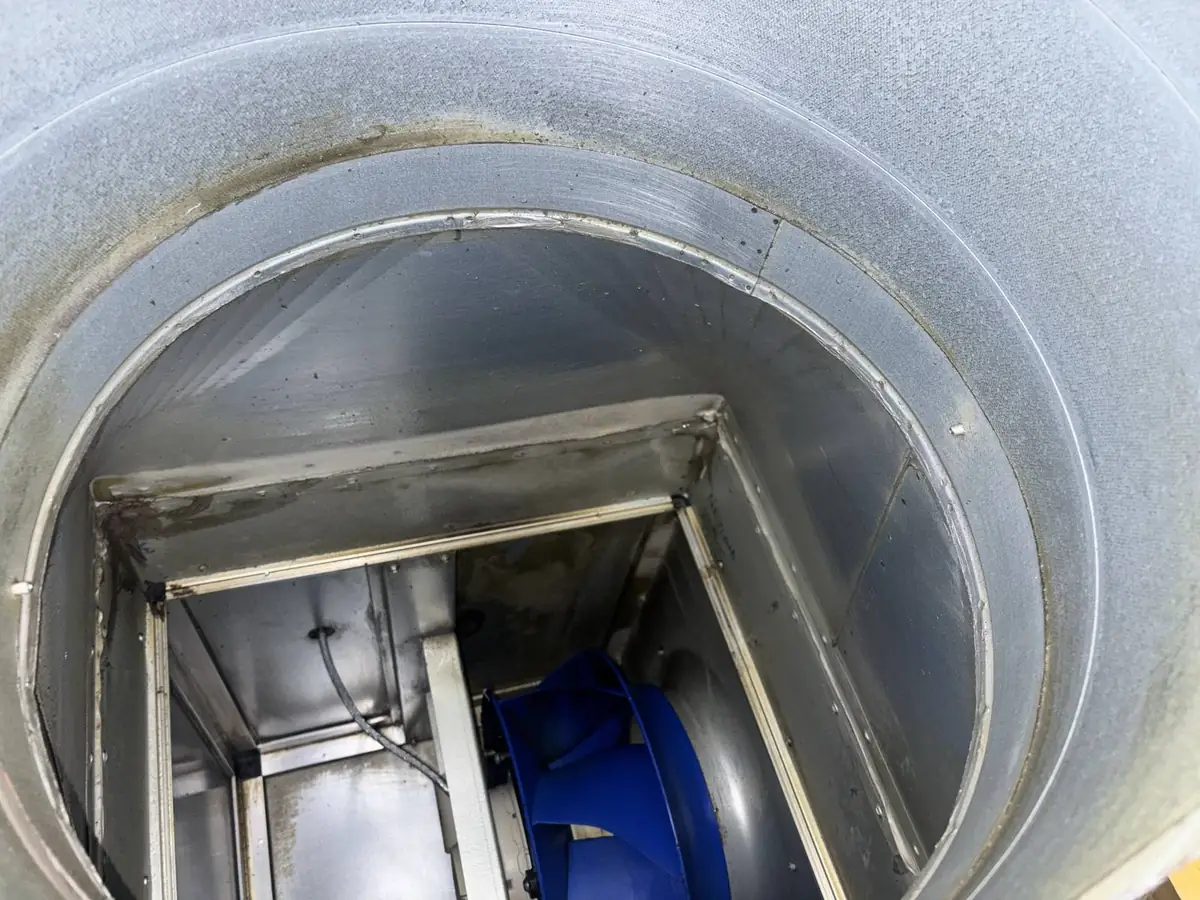
Most commercial kitchen policies carry a condition requiring the extract system to be maintained to a recognised standard at an appropriate frequency, with documentation. Without adequate records, a claim can be challenged or refused. Environmental health officers and fire risk assessors ask for the same evidence.
Checking your own paperwork
Take out your last report and check it against the six items above. If it is missing readings, missing photographs, or has no next clean date, you have an invoice rather than evidence — and you may not find that out until the worst possible moment.
If you run a commercial kitchen in Cardiff, Barry, Bridgend, Newport, Penarth or Caerphilly and you want a quote from providers who document to this standard, send us your kitchen details. Quotes are free and there is no obligation.
Frequently Asked Questions
What grease thickness does TR19 consider acceptable?
TR19 Grease works to a mean grease depth of 50 microns as the trigger point at which a system requires cleaning. A well-executed clean should bring readings well below that. On a recent West Wales pub kitchen, measured depth went from 200 microns pre-clean to under 25 microns afterwards, verified at four separate points through the system. Always ask a contractor for pre- and post-clean readings in writing.
What should a TR19 cleaning certificate contain?
The clean date, the site and system location, confirmation of which sections were cleaned and which were inaccessible, the names of the operatives, and the next clean date. It should be accompanied by grease depth readings and before-and-after photographs. A certificate on its own, with no readings or photographs, is weak evidence for an insurer.
What does grease compliance actually mean?
It means being able to demonstrate that grease accumulation in your extract system is controlled and documented to a recognised standard, at a frequency appropriate to how hard the kitchen works. It is evidenced by records - readings, photographs and certificates - not by the system merely looking clean.
Who is responsible for kitchen extract cleaning, landlord or tenant?
Usually the party responsible for fire risk assessment under the Regulatory Reform (Fire Safety) Order 2005, which in leased premises is normally the occupying business. Check your lease, as many make extract cleaning an explicit tenant obligation. Your insurer will ask the occupier for the records regardless.
Does a kitchen need cleaning if it looks clean?
Grease accumulates inside ductwork where nobody looks. A visible canopy can be spotless while the horizontal duct run and fan housing carry a substantial deposit. That is why the standard is measured in microns at defined test points rather than judged by eye.
Get a Free Cardiff Kitchen Extract Cleaning Quote
Tell us about your kitchen and we'll arrange a tailored, no-obligation quote — usually the same day.