What Is TR19 — and Does My Insurance Require It?
The standard behind kitchen extract cleaning, and why your insurer cares about it.
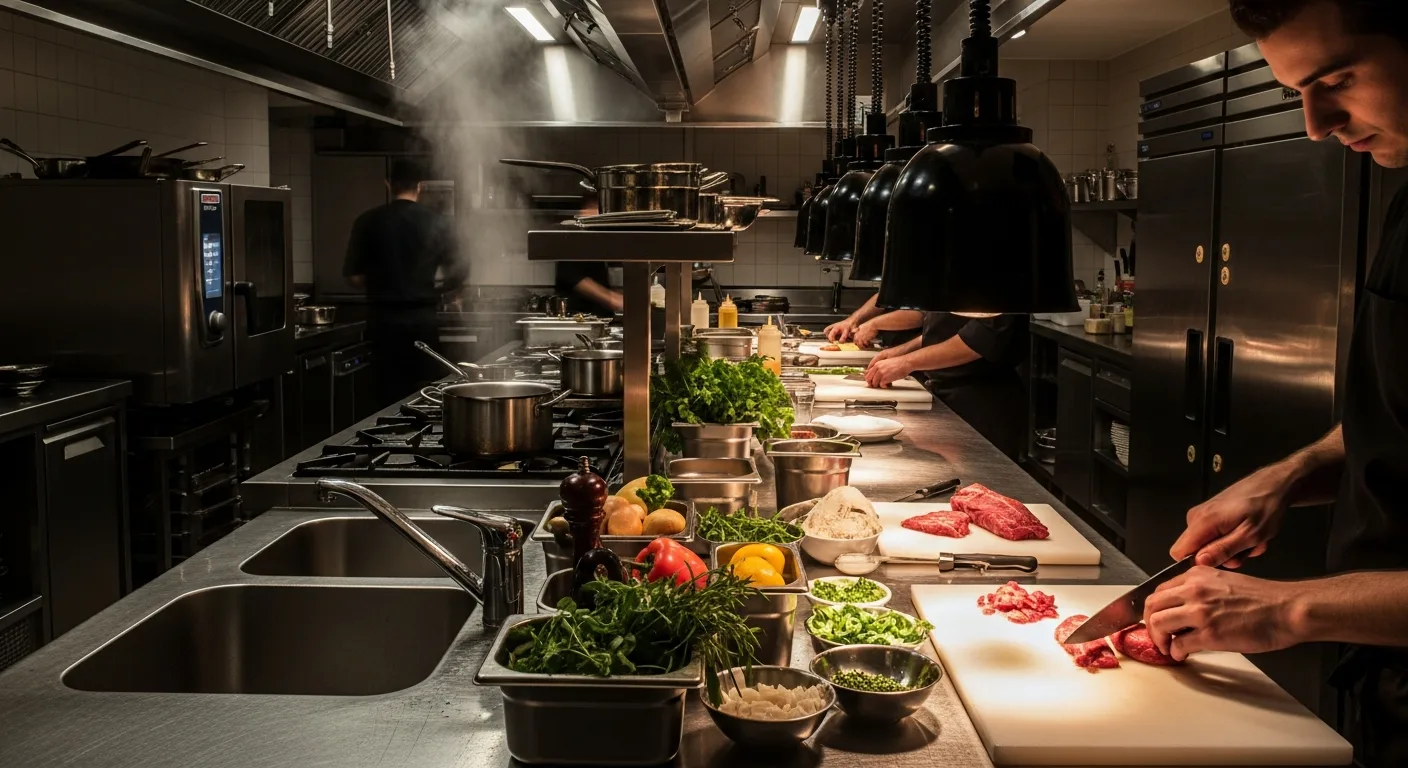
If you run a commercial kitchen in Cardiff, you'll have heard "TR19" from your insurer, your fire-risk assessor, or a cleaning company. Here's what it actually means.
The short version
TR19 is the industry guide to good practice for the hygiene of kitchen extract systems, published by BESA — the Building Engineering Services Association. It sets out how extract systems should be cleaned, how often, and what records should be kept. It isn't a law, but it has become the reference point insurers, fire authorities and environmental health officers use across the UK.
Does my insurance require it?
Most commercial kitchen insurance policies include a condition that the extract system is maintained to a recognised standard — and TR19 is that standard. So while no law names TR19, your policy effectively does. After a grease-related fire, a loss adjuster will ask for your cleaning records, and without TR19-standard documentation a claim can be challenged or refused.
What a TR19-compliant clean includes
A proper clean follows the whole extract pathway — the canopy and plenum, the full ductwork run to the external discharge, and the extraction fan. Grease-depth readings are taken before and after, access points are photographed, and a certificate of compliance is issued with a recommended next-service date. If any of those elements are missing, the clean doesn't fully meet the standard — so a cheap "wipe-down and invoice" job can leave you exposed.
See our full TR19 compliance guide for the detail, or request a free quote.
Frequently Asked Questions
Is TR19 a legal requirement?
No — it's guidance, not legislation. But insurers and fire-risk assessors treat it as the benchmark, so in practice it's what you're held to.
What proof do I get?
A certificate of compliance, before/after photos, grease-depth readings and a next-service date — exactly what your insurer and EHO inspector ask for.
Get a Free Cardiff Kitchen Extract Cleaning Quote
Tell us about your kitchen and we'll arrange a tailored, no-obligation quote — usually the same day.